

Future of Computer Hardware and Software
Future of Computer Hardware and Software
The world of computer hardware and software is constantly
evolving, and the future looks promising with exciting trends such as AI,
quantum computing, IoT, and wearable technology. These advancements will
require powerful hardware and software to support their data processing and
connectivity needs.
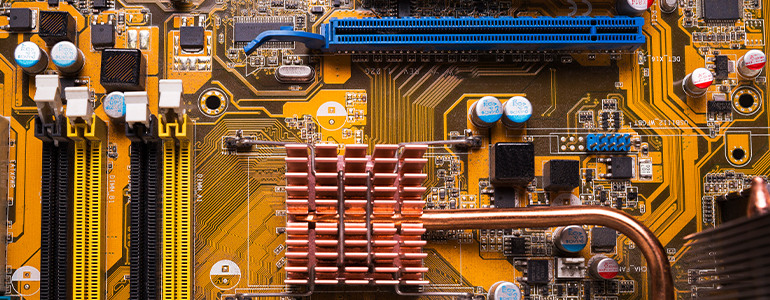
In this article, we will discuss the trends that we can
expect to see in the coming years.
Artificial Intelligence (AI):- One of the biggest
trends in computer hardware and software is the increasing use of Artificial
Intelligence (AI). AI is already being used in various applications such as
self-driving cars, virtual assistants, and chatbots. In the future, we can
expect to see even more advanced AI systems that can learn and adapt to new
situations. This will require more powerful hardware and software to support
these complex systems.
Quantum Computing:- Another trend that is gaining
traction in the world of computer hardware and software is quantum computing.
This technology is based on the principles of quantum mechanics, which allow
for the creation of computers that can perform calculations that are impossible
with traditional computers. This technology is still in its infancy, but it has
the potential to revolutionize many industries, including finance, healthcare,
and transportation.
Augmented and Virtual Reality (AR/VR):- Augmented and
Virtual Reality (AR/VR) are two technologies that have been gaining popularity
in recent years. AR involves overlaying digital information onto the real
world, while VR involves immersing the user in a completely digital
environment. Both of these technologies require powerful hardware and software
to create a seamless and immersive experience.
Edge Computing:- Edge computing is a technology that
allows data processing to be done closer to the source of the data, rather than
sending it to a centralized data center. This can help reduce latency and
improve the performance of applications that rely on real-time data processing.
With the increasing use of IoT devices and other connected technologies, edge
computing is becoming more important than ever.
Cloud Computing:- Cloud computing has been around for
a while, but it continues to evolve and improve. With the increasing demand for
data storage and processing power, cloud providers are investing heavily in new
hardware and software technologies to improve their offerings. This includes
advancements in areas such as security, scalability, and cost-effectiveness.
5G Networks:- 5G networks are the next generation of
cellular networks, offering faster speeds and lower latency than previous
generations. This will be especially important as more devices become connected
to the internet, and as new technologies such as autonomous vehicles and smart
cities become more common.
Cybersecurity:- As more devices become connected to
the internet, the need for cybersecurity is becoming more critical than ever.
With the increasing use of AI and other advanced technologies, hackers are
finding new and creative ways to exploit vulnerabilities in computer systems.
This has led to a growing demand for cybersecurity professionals who can help
prevent and mitigate these attacks.
Internet of Things (IoT):- The Internet of Things
(IoT) is another trend that is rapidly growing. IoT refers to the network of
physical devices, vehicles, home appliances, and other items that are embedded
with electronics, software, sensors, and connectivity. This technology allows
these devices to connect and exchange data with each other, and can be used in
a wide range of applications such as healthcare, agriculture, transportation,
and smart homes. In the future, we can expect to see even more IoT devices
being developed, which will require powerful hardware and software to support
their connectivity and data processing.
Wearable Technology:- Wearable technology is another
area that is experiencing significant growth. This technology includes devices
such as smartwatches, fitness trackers, and augmented reality glasses. As these
devices become more advanced and integrated with other technologies such as AI
and IoT, we can expect to see even more applications for wearable technology in
fields such as healthcare, sports, and entertainment.
Natural Language Processing (NLP):- Natural Language
Processing (NLP) is a field of AI that focuses on enabling computers to
understand and interpret human language. This technology is already being used
in applications such as virtual assistants, chatbots, and language translation
software. In the future, we can expect to see even more advanced NLP systems
that can understand and respond to natural language in a more human-like way.
Blockchain:- Blockchain technology is a decentralized
and secure way of storing and sharing information. It has become well-known as
the technology that underlies cryptocurrencies such as Bitcoin. However, it has
applications in a wide range of fields, including finance, supply chain
management, and healthcare. As blockchain technology continues to evolve and
become more widely adopted, it will require powerful hardware and software to
support its data processing and security needs.
Green Computing:-As the world becomes more conscious
of the environmental impact of technology, green computing is becoming more
important. Green computing involves designing, developing, and using computing
systems that are energy-efficient and environmentally friendly. This includes
things like using renewable energy sources, optimizing hardware and software to
reduce energy consumption, and designing more sustainable manufacturing
processes. Moreover, the advancements in computer hardware and software
are not limited to just these trends. There are many other areas that are
evolving rapidly and have the potential to revolutionize the way we use
technology in the future.
Edge Computing:- Edge computing is a distributed
computing paradigm that brings computation and data storage closer to the
location where it is needed. This allows for faster processing and analysis of
data, which is especially important for applications such as autonomous
vehicles and real-time monitoring systems. In the future, we can expect to see
more edge computing systems being developed, which will require specialized
hardware and software to support their unique requirements.
5G Networks:- The introduction of 5G networks is
another major trend that will impact the future of computer hardware and
software. 5G networks offer faster data speeds, lower latency, and higher
capacity than current 4G networks. This will enable the development of new
applications and services that require high-speed connectivity, such as
autonomous vehicles, augmented reality, and virtual reality. However, the
implementation of 5G networks will require significant investments in hardware
and infrastructure.
Cybersecurity:- As technology becomes more integrated
into our daily lives, cybersecurity will become even more important. Cyber
threats such as hacking, data breaches, and ransomware attacks are becoming
increasingly common and sophisticated. As a result, cybersecurity will continue
to be a critical area of focus for computer hardware and software development,
with a growing emphasis on developing secure systems that can protect against
these threats.
Cloud Computing:- Cloud computing has already
revolutionized the way we store and process data, and it will continue to be an
important trend in the future. Cloud computing allows users to access computing
resources on-demand, without the need for dedicated hardware or software. This
enables more efficient use of resources and can lead to cost savings for
businesses. In the future, we can expect to see even more cloud-based
applications and services being developed, which will require specialized
hardware and software to support their unique requirements.
Autonomous Systems:- Autonomous systems, such as
self-driving cars and drones, are already being developed and tested. These
systems require advanced hardware and software to enable them to operate safely
and effectively. As these technologies become more advanced and widespread,
they will require even more powerful hardware and software to support their
complex processing and decision-making needs.
In conclusion, the future of computer hardware and software
is full of exciting possibilities. The trends discussed in this article, along
with many others, will shape the way we live and work in the years to come. The
advancements in technology will require individuals and businesses to stay
up-to-date with the latest developments and innovations in order to take
advantage of the new opportunities and stay competitive in the digital age. The
future is bright, and the possibilities are endless.